historybriefs
Topic

Israel

A state built on an argument that has never been settled.

7
in history
12:33
average
88 min
in total
9
across the network
Israel across the network →
All briefs7
9:54

First Intifada

December 1987–1991

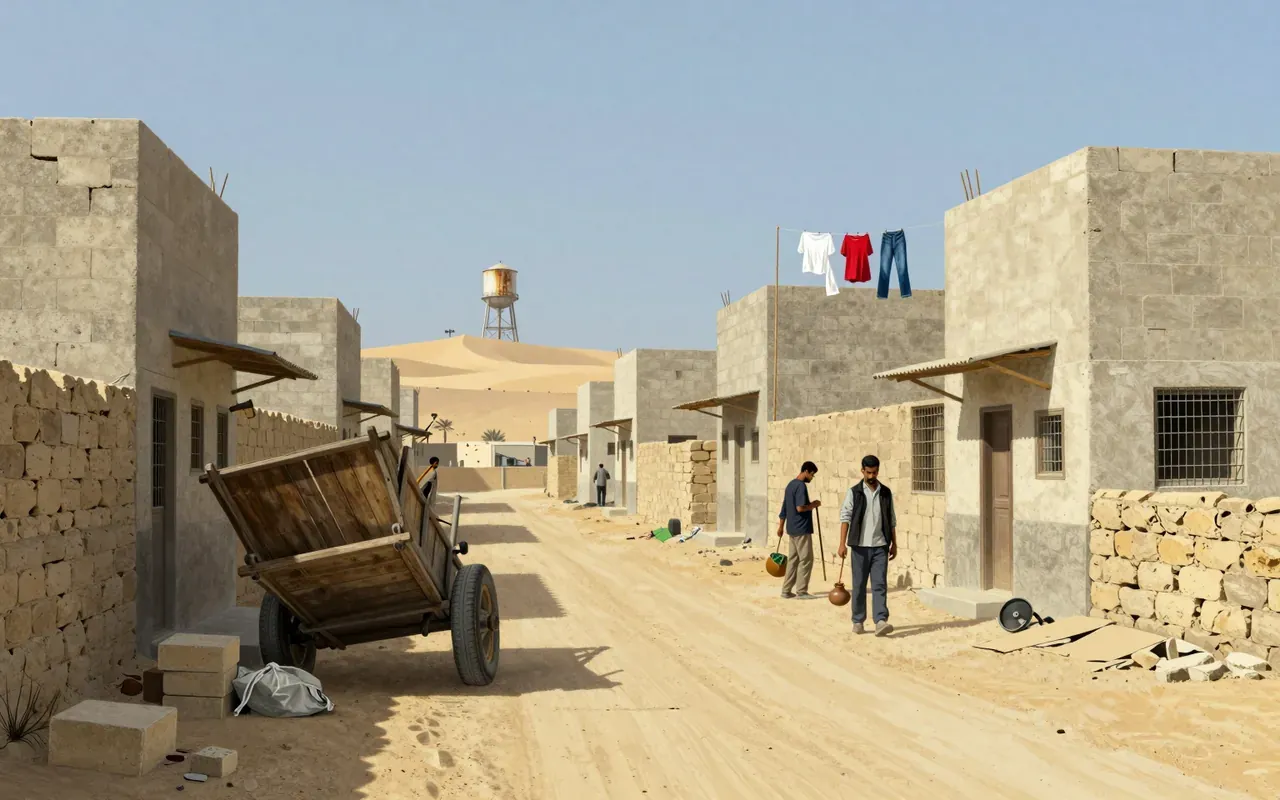
The First Intifada was a locally led, mixed-method uprising beginning in December 1987 in the Jabalia refugee camp, combining non-violent civil resistance (strikes, boycotts, tax refusal) with violent tactics (stone-throwing, Molotov cocktails, graffiti, barricading), and lasting until at least 1991.

13:00

Golda Meir

1898–1978

Golda Meir rose from a Milwaukee schoolteacher to Israeli labour minister, foreign minister and, from 1969, the country's fourth prime minister at seventy-one, a role in which she oversaw responses to the 1972 Munich Olympics massacre and the surprise Egyptian and Syrian attack that opened the 1973 Yom Kippur War. An official inquiry, the Agranat Commission, cleared her of direct responsibility for Israel's lack of preparedness, crediting her decision to approve full mobilisation despite political risk, but she resigned in April 1974 after her coalition lost seats, and historians generally judge her earlier work overseeing housing and immigration as more successful than her wartime premiership.
13:00

Israeli Declaration of Independence

14 May 1948

David Ben-Gurion proclaimed the State of Israel on 14 May 1948 as British rule over Palestine ended, in a declaration whose drafters deliberately left the new state's borders undefined. Arab states invaded the next day, beginning a war that ran into 1949, displaced more than 700,000 Palestinians in what they call the Nakba, and ended with armistice lines rather than a negotiated peace. Historians still disagree sharply over how much of that displacement resulted from expulsion versus flight.

13:00

Oslo Accords

13 September 1993

Secret talks in Norway produced the September 1993 Declaration of Principles between Israel and the PLO, establishing mutual recognition and a Palestinian Authority meant to govern a five-year transition toward permanent status negotiations. Those final talks never concluded, settlement building continued throughout, and both the assassination of Yitzhak Rabin in 1995 and the collapse of the 2000 Camp David summit left the accords' unresolved questions of Jerusalem, borders and refugees exactly where they started.

13:00

Six-Day War

5 June – 10 June 1967

Israel launched a surprise air assault against Egypt on 5 June 1967 after weeks of escalating tension triggered partly by a false Soviet report of Israeli troop movements against Syria, and within six days had defeated Egyptian, Jordanian and Syrian forces, seizing the Sinai Peninsula, the West Bank, East Jerusalem, Gaza and the Golan Heights. The war displaced roughly 413,000 Palestinians and remains disputed over whether Israel's strike constituted legitimate pre-emption or aggression, a question tied to the closure of the Straits of Tiran that preceded it.

13:00

Camp David Accords

17 September 1978

President Jimmy Carter mediated thirteen days of negotiation between Egyptian President Anwar Sadat and Israeli Prime Minister Menachem Begin at Camp David in September 1978, the two leaders so personally hostile toward each other that Carter had to shuttle between separate cabins rather than let them negotiate face to face. The resulting accords produced a framework for Palestinian autonomy that went largely unimplemented and a separate framework leading directly to the 1979 Egypt-Israel peace treaty, under which Israel withdrew fully from the Sinai Peninsula. Sadat and Begin shared the 1978 Nobel Peace Prize, but the Arab League suspended Egypt's membership for a decade in retaliation, and Sadat himself was assassinated by Egyptian Islamic Jihad militants in October 1981, a peace that has endured since as what observers describe as a cold one.

13:00

Yitzhak Rabin

1922–1995

Rabin rose through Israel's military to command its victory in the 1967 Six-Day War, then served two terms as prime minister bookending a period as a defence minister who authorised harsh measures against the First Intifada. His second term produced the Oslo Accords and a Nobel Peace Prize shared with Shimon Peres and Yasser Arafat, before he was shot dead at a Tel Aviv peace rally in November 1995 by an Israeli opposed to the agreement he had signed.