historybriefs
Topic

Indonesia

Seventeen thousand islands held together by a language invented for the purpose.

4
in history
13:00
average
52 min
in total
15
across the network
Indonesia across the network →
All briefs4
13:00

2004 Indian Ocean earthquake and tsunami

26 December 2004

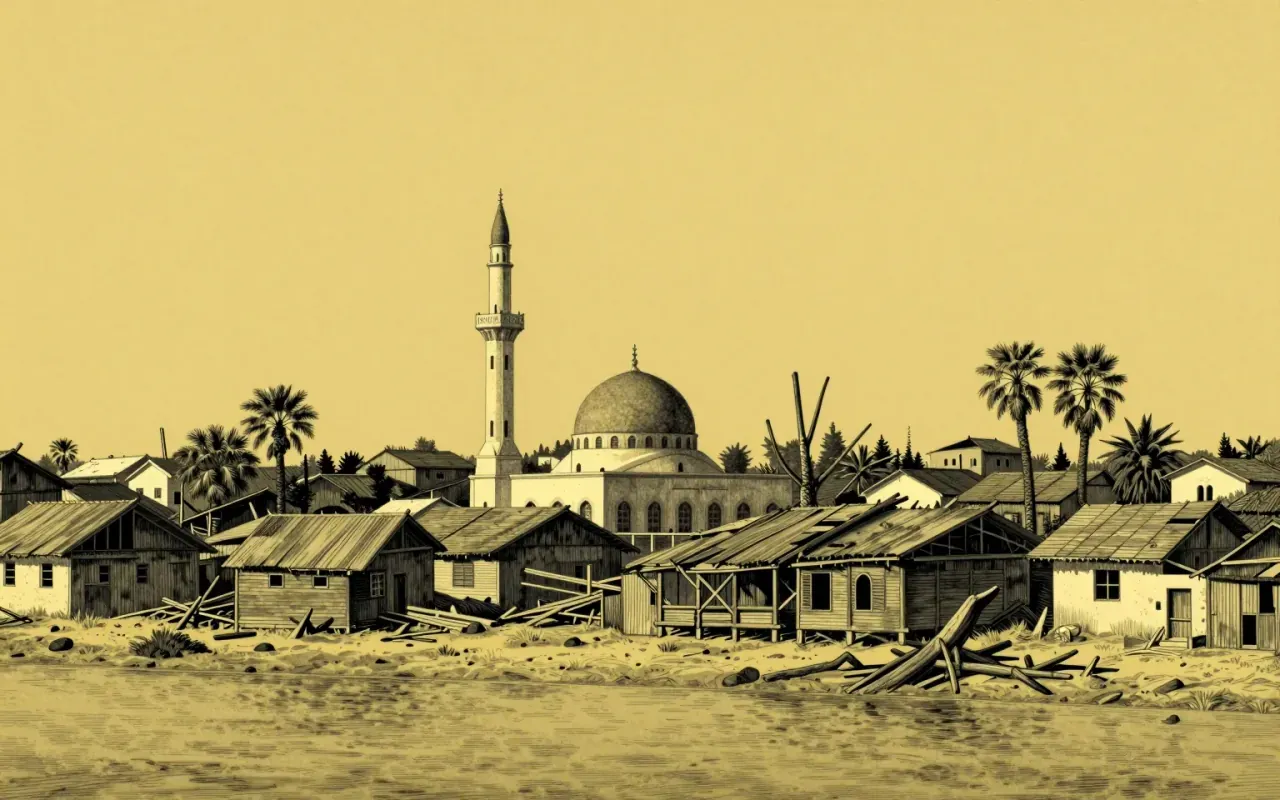
The magnitude 9.2 to 9.3 earthquake off Sumatra on 26 December 2004 ruptured roughly 1,600 kilometres of fault and sent tsunami waves as high as fifty-one metres near Banda Aceh across fourteen countries, killing an estimated 227,898 people in the deadliest tsunami on record. No tsunami warning system existed in the Indian Ocean at the time, since major tsunamis there had been rare since Krakatoa in 1883, so most victims had no warning despite gaps of fifteen minutes to seven hours between the quake and the waves reaching different shores. The response eventually raised over ten billion dollars, though aid officials at the time criticised both slow-moving pledges from wealthy governments and, separately, misdirected donations that left affected countries with unneeded supplies rather than what they actually required.

13:00

Dutch East India Company

1602–1799

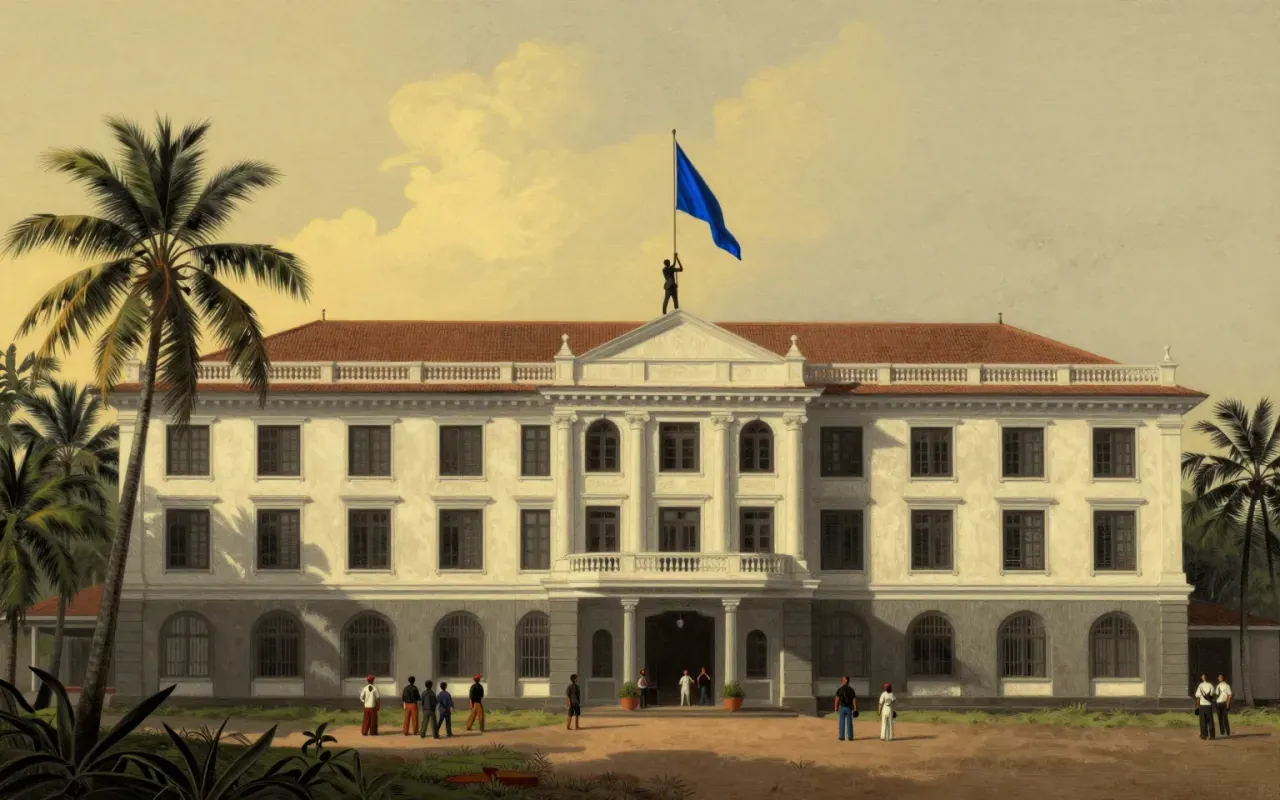
Chartered in 1602 as a state-backed merger of rival Dutch trading firms, the VOC pioneered the joint-stock company, raising capital from shareholders while holding the power to wage war, sign treaties, and mint currency. Its spice monopoly and Asian trading network made it hugely profitable for close to two centuries, but that same monopoly was enforced with documented violence, including the destruction of much of the Banda Islands' population in the 1620s. Debt, war losses, and corruption brought the company down; its charter expired in 1799, and its territories became a Dutch state colony that lasted until Indonesian independence in the twentieth century.

13:00

Indonesian National Revolution

1945–1949

Sukarno and Mohammad Hatta proclaimed Indonesian independence on 17 August 1945, days after Japan's surrender, opening a four-year revolution against returning Dutch colonial rule that combined diplomatic negotiation with military conflict and a violent period of anti-European unrest known as Bersiap. The Netherlands formally transferred sovereignty in December 1949, but casualty estimates for the revolution still range widely, from roughly 97,000 to 150,000 Indonesian deaths and considerably disputed Dutch and Bersiap-period figures.

13:00

2003 Marriott Hotel bombing

5 August 2003

On 5 August 2003, a vehicle loaded with explosives detonated in the lobby of the JW Marriott hotel in Jakarta, killing twelve people plus the bomber and injuring around 150, an attack the Indonesian government and forensic analysis linked to Jemaah Islamiyah, a network affiliated with al-Qaeda that had also carried out the 2002 Bali bombings and a 2000 wave of church bombings. Investigation traced planning back to December 2002 under organiser Noordin Mohammad Top, leading to convictions including a seven-year sentence for explosives transporter Muhammad Rais, but the same network struck the same hotel again on 17 July 2009 alongside the nearby Ritz-Carlton, killing nine people including two suicide bombers in an attack that showed how much of Jemaah Islamiyah's operational capacity had survived the earlier prosecutions.