historybriefs
Topic

Egypt

Four thousand years of continuity, and the modern country living on top of it.

6
in history
12:33
average
75 min
in total
12
across the network
Egypt across the network →
All briefs6
10:17

Great Pyramid of Giza

c. 2600 BC

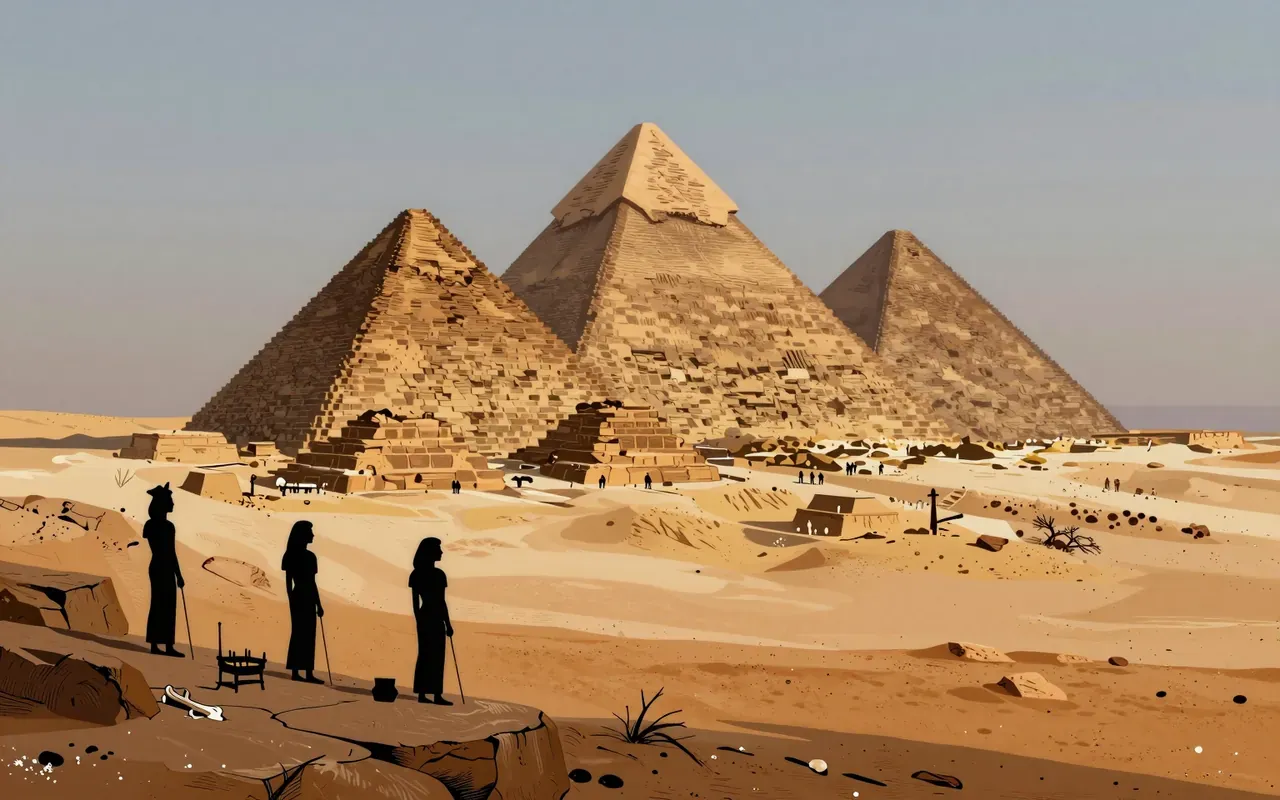
The Great Pyramid of Giza is the oldest and only largely intact Wonder of the Ancient World. Built c. 2600 BC as Khufu’s tomb, it stood 146.6 m tall for over 3,700 years. Its dimensions — 230.3 m per side, 2.6 million m³ volume — are precisely measured. What remains visible today is the underlying core structure, after most of its smooth white limestone casing was removed.
13:00

Al-Azhar University

Founded 1961

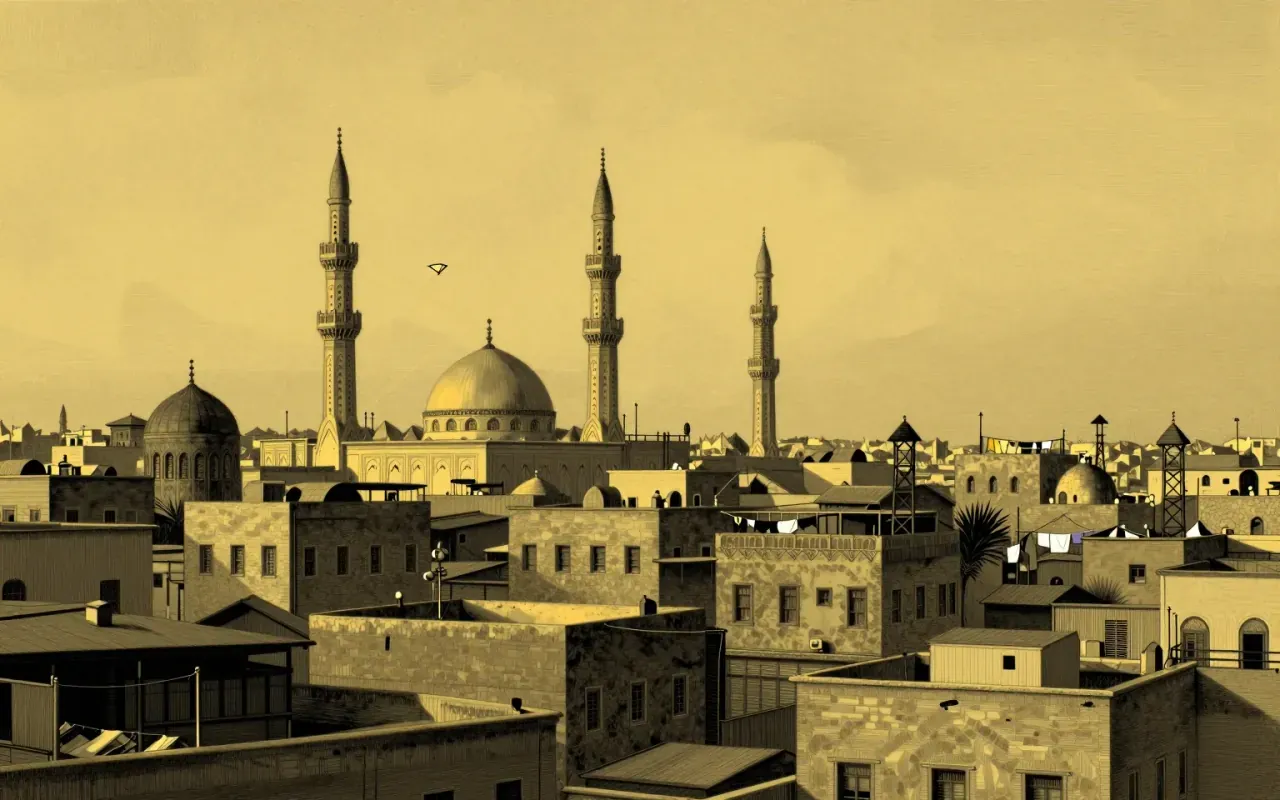
Founded by the Fatimid caliphate between 970 and 972 to promote Ismaili Shia teaching in newly conquered Egypt, Al-Azhar was repurposed after Saladin's twelfth-century conquest into a Sunni Shafi'ite institution, a transition that reportedly involved destroying a large part of its original library. Mamluk patronage and Ottoman-era prestige built it into the leading centre of Sunni Islamic learning, and Gamal Abdel Nasser's 1961 reforms added secular faculties, turning a traditional madrasa into a modern university that today oversees a national school network reaching some two million students.

13:00

Gamal Abdel Nasser

1918–1970

Gamal Abdel Nasser rose through a secret military faction to help overthrow Egypt's monarchy in 1952, then out-manoeuvred his own revolutionary partner to become sole ruler by 1954, surviving an assassination attempt that year that only strengthened his popular standing. His 1956 nationalisation of the Suez Canal and subsequent political survival against British, French, and Israeli attack made him the era's dominant Arab nationalist figure, a reputation that never fully recovered from Egypt's crushing defeat in the 1967 Six-Day War, and one historians still weigh against an authoritarian domestic record that set a lasting template for military rule in Egypt.

13:00

Mamluk Sultanate

1250–1517

The Mamluk Sultanate began in 1250 when slave soldiers overthrew the Ayyubid dynasty in Egypt, installing a system of governance in which power passed largely by military promotion rather than inheritance. Mamluk forces stopped the Mongol advance at Ain Jalut in 1260 and cleared the last Crusader strongholds from the Levant by 1291, but the Black Death of 1347 and 1348 hit the sultanate's population and finances hard, and its Burji-era rulers failed to match Ottoman adoption of firearms. Ottoman Sultan Selim I conquered Cairo in January 1517, ending 267 years of Mamluk rule and inheriting the caliphate along with it.

13:00

Six-Day War

5 June – 10 June 1967

Israel launched a surprise air assault against Egypt on 5 June 1967 after weeks of escalating tension triggered partly by a false Soviet report of Israeli troop movements against Syria, and within six days had defeated Egyptian, Jordanian and Syrian forces, seizing the Sinai Peninsula, the West Bank, East Jerusalem, Gaza and the Golan Heights. The war displaced roughly 413,000 Palestinians and remains disputed over whether Israel's strike constituted legitimate pre-emption or aggression, a question tied to the closure of the Straits of Tiran that preceded it.

13:00

Camp David Accords

17 September 1978

President Jimmy Carter mediated thirteen days of negotiation between Egyptian President Anwar Sadat and Israeli Prime Minister Menachem Begin at Camp David in September 1978, the two leaders so personally hostile toward each other that Carter had to shuttle between separate cabins rather than let them negotiate face to face. The resulting accords produced a framework for Palestinian autonomy that went largely unimplemented and a separate framework leading directly to the 1979 Egypt-Israel peace treaty, under which Israel withdrew fully from the Sinai Peninsula. Sadat and Begin shared the 1978 Nobel Peace Prize, but the Arab League suspended Egypt's membership for a decade in retaliation, and Sadat himself was assassinated by Egyptian Islamic Jihad militants in October 1981, a peace that has endured since as what observers describe as a cold one.