historybriefs
Topic

Iran

Persia under a newer name, with a memory far longer than the republic.

4
in history
13:00
average
52 min
in total
41
across the network
Iran across the network →
All briefs4
13:00

Ruhollah Khomeini

1902–1989

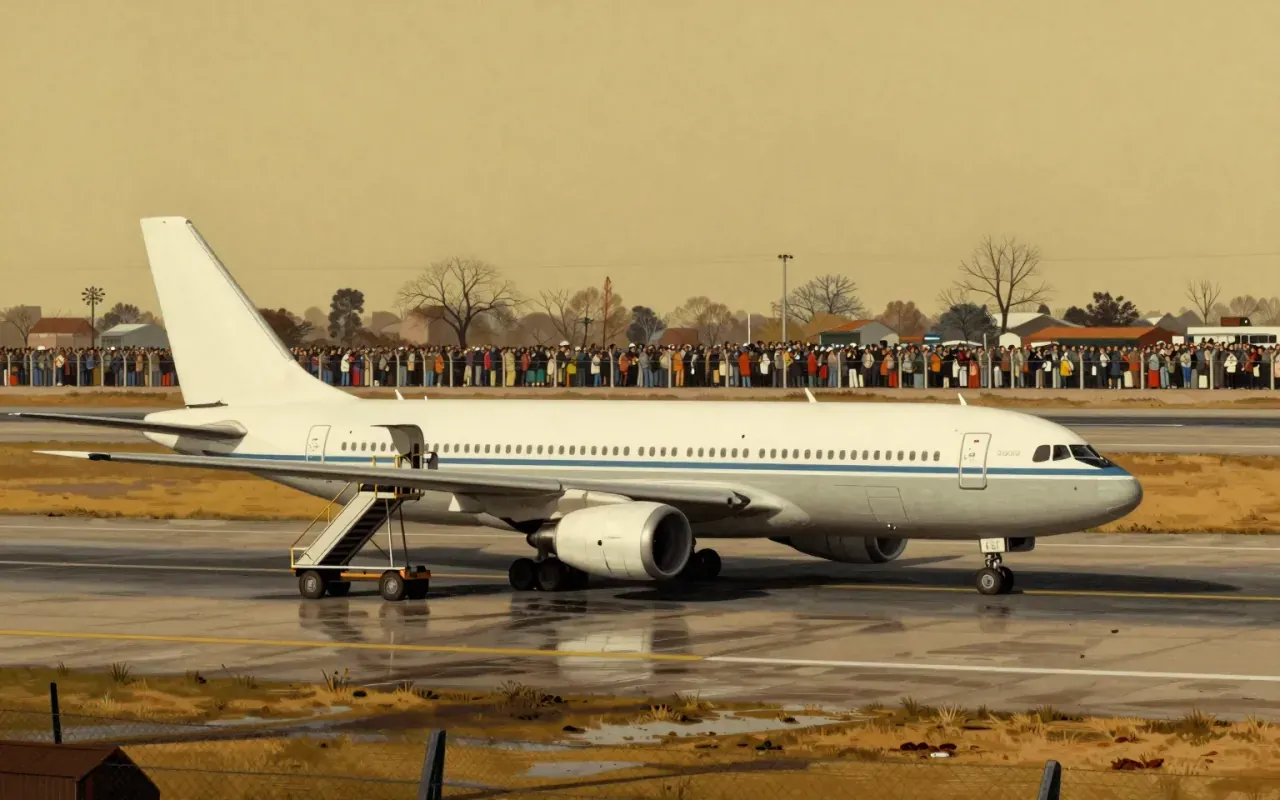
Ruhollah Khomeini, exiled in 1964 for opposing the Shah's modernisation programme, returned to Iran in February 1979 to lead the revolution that established the Islamic Republic, built around his own doctrine of clerical governance. His rule included the 444-day American hostage crisis, the devastating war with Iraq, and documented mass executions of political prisoners, alongside a 1989 fatwa against author Salman Rushdie that extended his authority's reach well beyond Iran's borders.
13:00

Saddam Hussein

1937–2006

From a Ba'athist plotter in 1959 to president from 1979 to 2003, Saddam Hussein built one of the Arab world's more literate, industrialised states while running a security apparatus that Human Rights Watch estimates killed or disappeared a quarter of a million people. He invaded Iran, then Kuwait, survived one war and was toppled by another, and was hanged in 2006 after a trial for a single 1982 massacre.

13:00

Iran–Iraq War

1980–1988

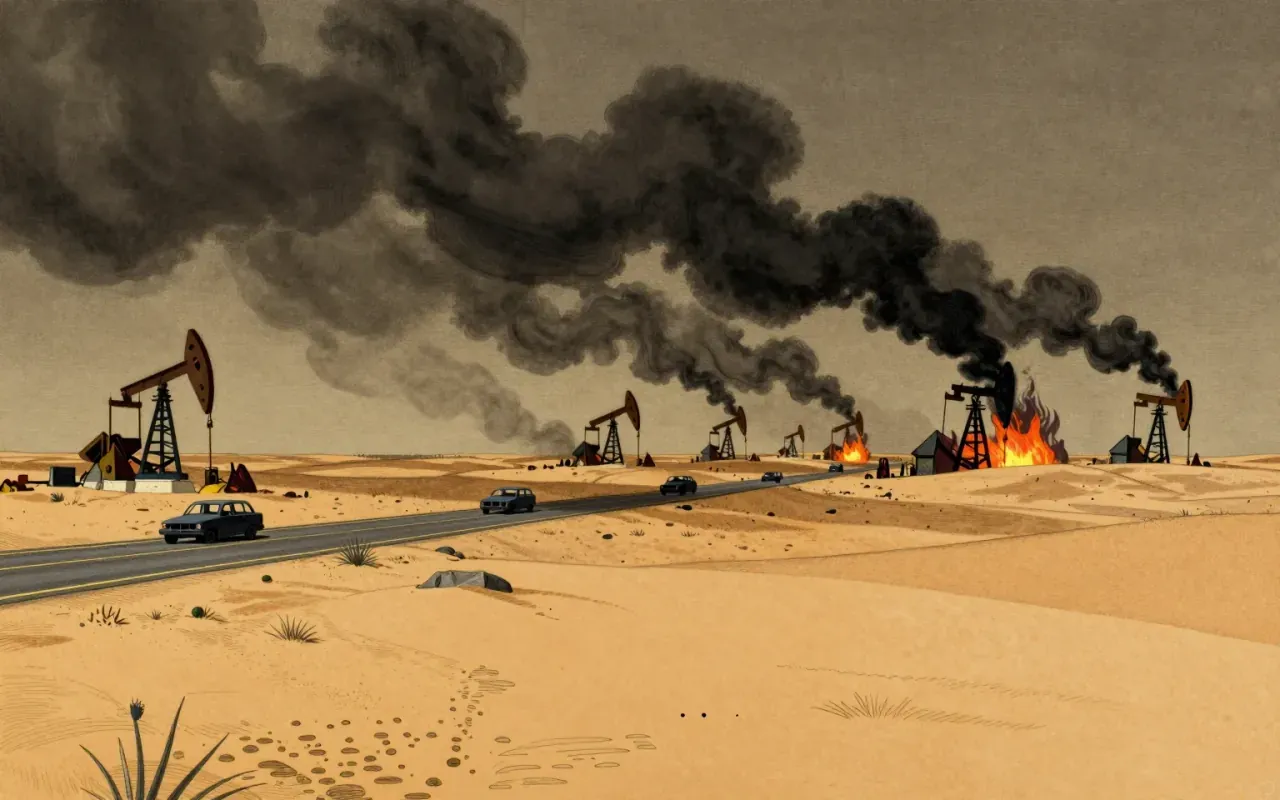
Saddam Hussein's invasion of Iran in September 1980, aimed at exploiting the chaos of Iran's revolution and reclaiming disputed border territory, opened an eight-year war that killed an estimated 450,000 to 500,000 people and ended in 1988 with no permanent territorial change on either side. The conflict drew simultaneous American, Soviet and Arab state support for Iraq despite documented Iraqi chemical weapons use, a convergence of Cold War and regional interests that historians still treat as one of the war's most striking features.

13:00

Iranian Revolution

1978–1979

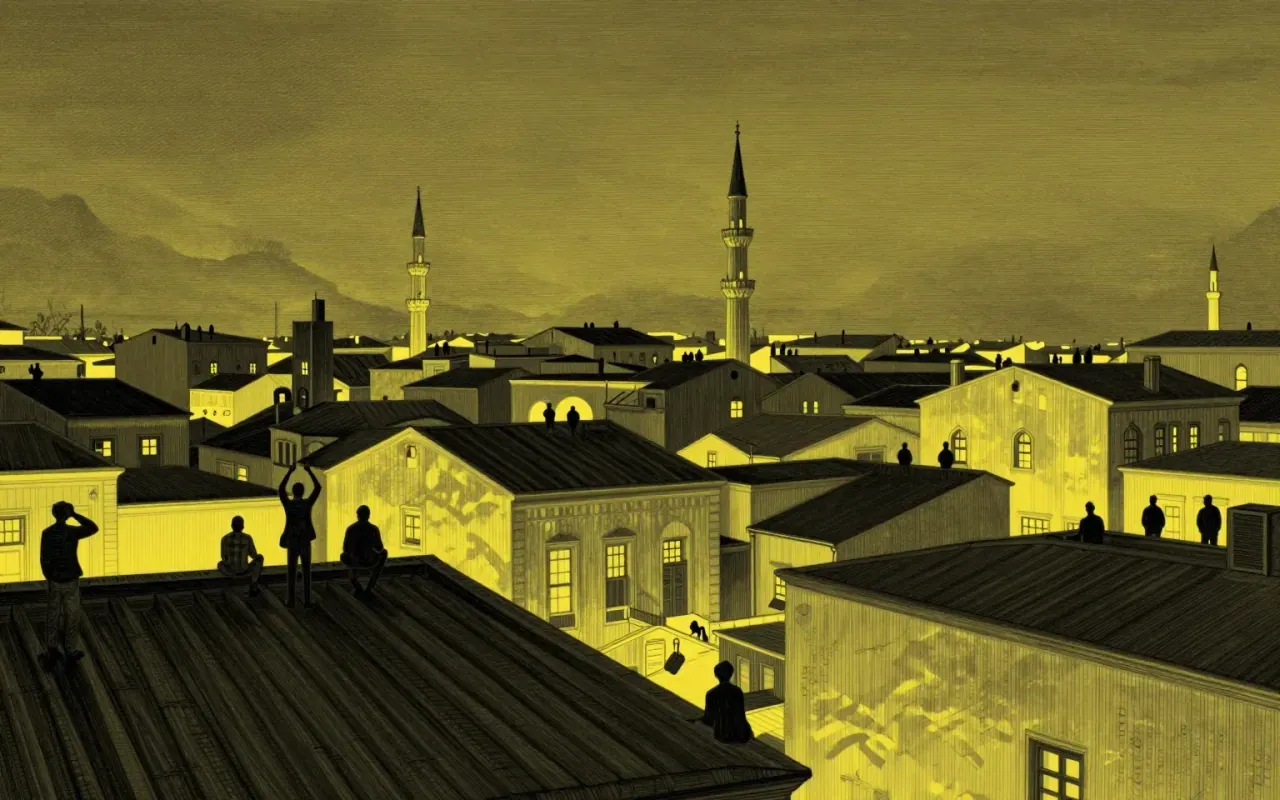
Mass protests against Shah Mohammad Reza Pahlavi grew through 1978 into a revolution that forced his departure from Iran in January 1979 and brought the exiled cleric Ruhollah Khomeini back to establish an Islamic Republic that February. The coalition that toppled the Shah spanned Islamist, liberal, socialist and communist groups, but Khomeini had kept his plan for clerical rule largely hidden beforehand, and once in power he moved to eliminate the secular allies who had helped bring him there.